Implants and Bone Loss
Can You Have Dental Implants with Bone Loss?
Bone loss does not always mean that dental implants are impossible. In many cases, patients with reduced jawbone volume may still be considered for implant treatment after careful assessment and planning.
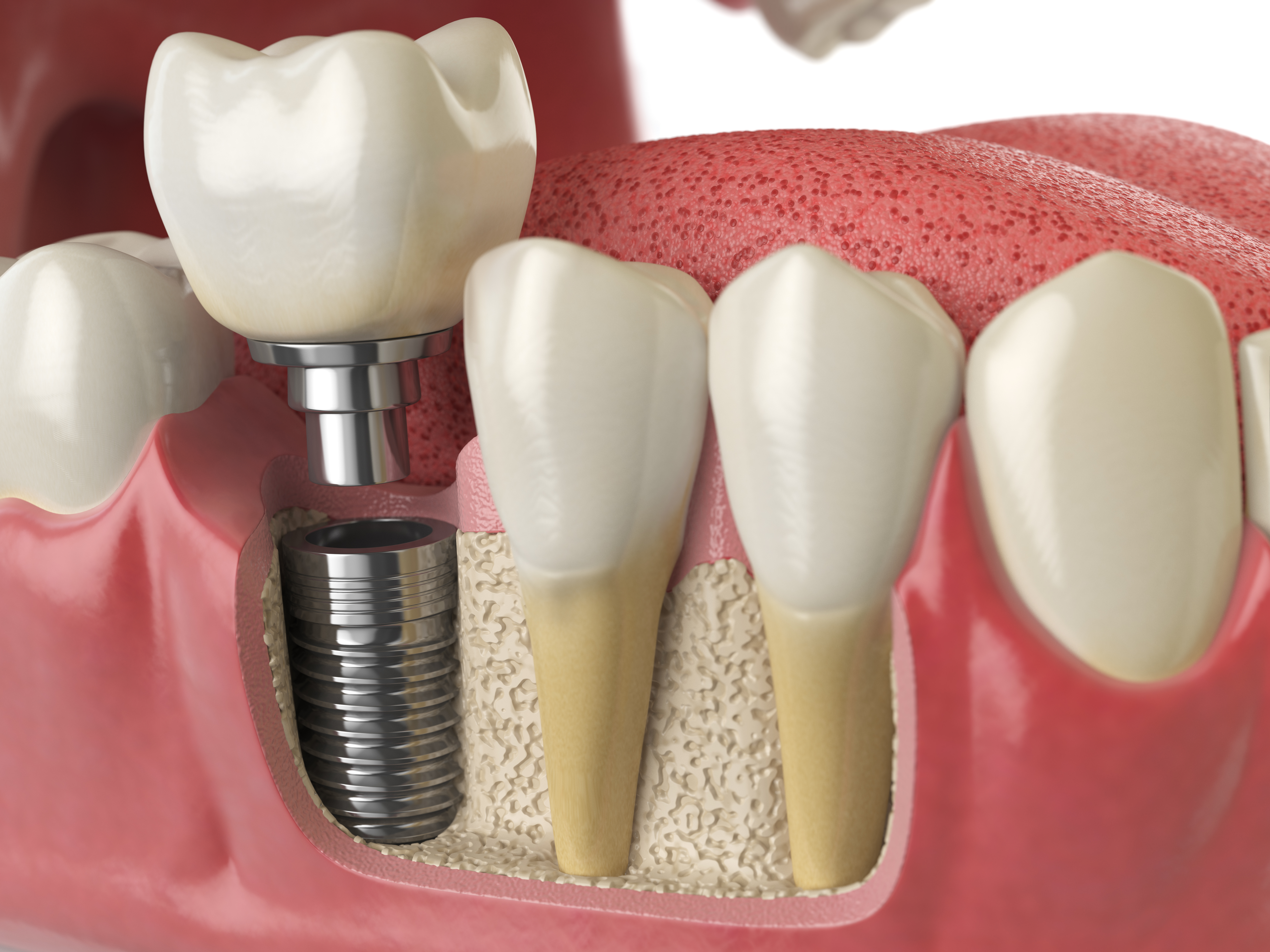
Careful Assessment
Bone Loss Can Make Treatment More Complex
The jawbone needs to provide enough support for the implant. If the bone is too thin, too low or in the wrong position, additional procedures may be needed before implants can be placed.
This guide explains what bone loss means for dental implants, how dentists assess the jawbone, and which treatment options may be considered when there is not enough bone for standard implant placement.
Bone Loss and Implants
What Does Bone Loss Mean for Dental Implants?
Dental implants are placed into the jawbone. During healing, the implant needs to integrate with the surrounding bone so that it can support a crown, bridge or full-arch restoration.
When there is bone loss, the implant site may not have enough bone height, width or density. This can affect where the implant can be placed, how stable it may be and whether additional treatment is needed.
Implant Position
Implant Size
Bone Grafting
Sinus Lift
Advanced Planning
Healing Timeline
Causes
Why Does Jawbone Loss Happen?
Jawbone loss can happen for several reasons. One common reason is tooth loss. When a tooth is removed or missing for a long time, the bone in that area no longer receives the same stimulation from the natural tooth root. Over time, the bone may gradually reduce.
Gum Disease
Dental Infection
Trauma or Injury
Missing Teeth
Dentures
Previous Treatment
Suitability
Can You Still Have Dental Implants with Bone Loss?
In many cases, yes. Bone loss can make implant treatment more complex, but it does not automatically rule it out.
The most important question is not simply whether bone loss exists, but how much bone remains, where it is located and whether it can support the planned implant restoration.
Bone Height and Width
Bone Density
Gum and Bite Health
Nerves and Sinuses
Missing Teeth
Medical History
CBCT Planning
How Dentists Assess Bone for Implant Treatment
A visual dental examination is not enough to confirm whether there is enough bone for implant placement. Imaging is usually needed. A CBCT scan may be used to create a three-dimensional image of the jaw and help assess bone volume, bone shape and the position of important structures such as nerves and sinuses.
Jawbone Dimensions
Checking the width and height of the jawbone.Nearby Teeth
Reviewing the position of nearby teeth and previous extraction sites.Gum Health
Looking at gum and periodontal health before treatment planning.Bite Review
Reviewing the bite and jaw relationship.
Restoration Planning
Checking whether the planned crown, bridge or full-arch restoration is realistic.Staged Treatment
Considering whether grafting or staged treatment is needed.Long-Term Missing Teeth
Assessment is especially important for patients with missing teeth for many years.Gum Disease History
Previous gum disease or known bone loss should be reviewed before implant planning.
Treatment Options
Treatment Options If You Have Bone Loss
There is no single solution for every patient with bone loss. The right option depends on the amount of bone available, the area of the mouth involved and the final restoration being planned.
Bone Grafting
Sinus Lift
Short or Narrow Implants
Full-Arch Planning
Zygomatic Implants
Alternative Options
Complex Cases
When Bone Loss Makes Implant Treatment More Complex
Bone loss can affect implant treatment in different ways. In mild cases, only small changes to the treatment plan may be needed. In more advanced cases, treatment may require multiple stages.
Limited Support
Narrow Jawbone
Sinus or Nerve Proximity
Active Gum Disease
Full-Mouth Cases
Previous Implant Failure
Existing Implants
Is Bone Loss Around Existing Dental Implants the Same Thing?
Bone loss before implant treatment and bone loss around an existing dental implant are not the same issue.
Before treatment, bone loss usually refers to reduced jawbone volume in an area where a tooth is missing. This may affect whether an implant can be placed.
Bone loss around an existing implant may be related to inflammation, infection, bite forces, poor oral hygiene or peri-implant disease. This needs separate assessment and may require professional treatment.
UK Patients
What UK Patients Should Know Before Travelling for Implant Treatment
UK-based patients considering dental implants abroad should have their bone condition assessed before travelling whenever possible. Bone loss can change the treatment timeline, the number of visits and the type of procedure required.
Records to Share
Dental photographs, recent X-rays, CBCT scan if available and details of previous dental treatment may be requested.Medical Review
Medical history, medication information and smoking status should be reviewed before planning treatment.Gum History
Information about gum disease or tooth loss history can affect implant planning.
Staged Treatment
If bone grafting, sinus lift or staged implant treatment is needed, treatment may not be completed in one visit.Healing Time
Healing time must be considered before the final restoration is placed.Travel Planning
A clear treatment plan should explain visits, timing, risks and follow-up before travel is arranged.
Before Treatment
Questions to Ask If You Have Bone Loss
Patients who have been told they have bone loss should ask clear questions before starting treatment. A good treatment plan should answer these questions before surgery begins.
Bone Assessment
Additional Procedures
Advanced Options
Visits and Healing
Risk Factors
Alternatives
Risks
Risks and Important Considerations
Dental implant treatment with bone loss requires careful planning. The risks may be higher when bone volume is limited or when additional procedures are needed.
Healing Risks
Anatomical Risks
Additional Surgery
Health Factors
FAQ
Frequently Asked Questions
Can I get dental implants if I have bone loss?
Bone loss does not always prevent dental implant treatment. Some patients may still be suitable after assessment, while others may need bone grafting, sinus lift treatment or a different implant approach.
How much bone is needed for a dental implant?
The amount of bone needed depends on the implant position, implant size, restoration type and nearby anatomical structures. A CBCT scan can help assess whether there is enough bone.
Can bone be rebuilt for dental implants?
In many cases, bone grafting can be used to rebuild or support bone before implant placement. The size and location of the bone loss will determine whether grafting is suitable.
Is bone grafting always needed if I have bone loss?
No. Some patients with mild bone loss may still be suitable for implant treatment without grafting. Others may need small or more advanced grafting procedures.
Can severe bone loss be treated with dental implants?
Severe bone loss can make treatment more complex, but it does not always rule out implants. Options such as bone grafting, full-arch planning or zygomatic implants may be considered in selected cases.
What happens if there is not enough bone for an implant?
If there is not enough bone, the clinician may recommend bone grafting, sinus lift treatment, a different implant position, a different type of implant or an alternative tooth replacement option.
Can gum disease cause bone loss before implants?
Yes. Gum disease can damage the bone that supports teeth. Active gum disease should usually be treated before dental implant planning.
Can smoking affect implants if I have bone loss?
Smoking can affect healing and may increase the risk of complications. Patients who smoke should discuss this with their clinician before implant or grafting treatment.
Are zygomatic implants used for bone loss?
Zygomatic implants may be considered in selected cases of severe upper jaw bone loss. They are not needed for every patient and require specialist assessment.
How long does treatment take if I need bone grafting?
Treatment may take several months longer if bone grafting is needed. The exact timeline depends on the size of the graft, healing response and when the implant can be placed or restored.

Medical Disclaimer
This article is for general information only and does not replace a dental consultation. Suitability for dental implants, bone grafting or other implant-related procedures can only be confirmed after clinical examination, imaging and review of medical history.