Endodontic Treatment
Root Canal Treatment London
Root canal treatment — endodontic therapy — removes infection from the inside of a tooth, eliminates pain and saves the natural tooth from extraction. Performed correctly by a skilled clinician, it is one of dentistry’s most predictable and successful procedures.
What Is Root Canal Treatment?
Save Your Tooth. Eliminate the Pain.
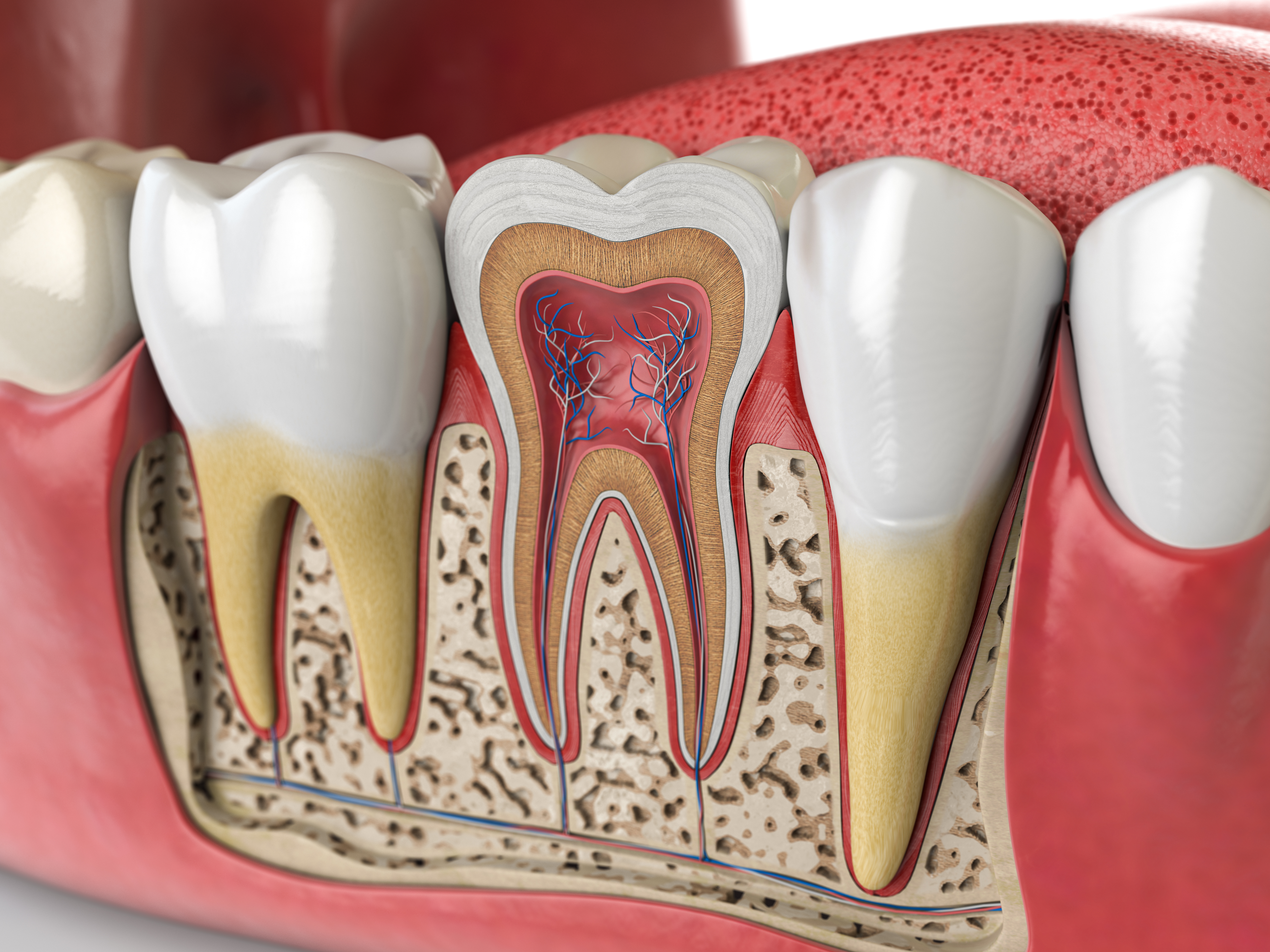
Inside every tooth is a space containing pulp — a soft tissue of nerves and blood vessels. When bacteria penetrate through decay, a crack or a failed filling, the pulp becomes infected. Left untreated, the infection spreads, destroys surrounding bone and ultimately causes the tooth to be lost.
Root canal treatment removes the infected pulp, thoroughly cleans and shapes the canal system, disinfects it and seals it with a biocompatible filling material. The tooth is then restored with a crown. The result is a tooth that looks, feels and functions exactly as before — potentially for the rest of your life.
The procedure is performed under local anaesthesia. Most patients report that the experience is no more uncomfortable than having a filling placed.
The goal is always the same
To save your natural tooth. No replacement — however sophisticated — performs as well as a healthy, well-treated natural tooth.
When Is It Needed?
Root canal treatment is indicated when the dental pulp is infected or irreversibly inflamed.
- Severe or prolonged toothache
- Sensitivity to hot or cold that lingers
- Darkening or discolouration of the tooth
- Swelling or tenderness in the gum
- A persistent pimple or sinus tract on the gum
Starting From
£600
Per canal. Complex multi-rooted teeth may vary. Full fee confirmed at consultation.
The Procedure
Step by Step
-
CBCT 3D Imaging
A cone beam CT scan maps the canal anatomy in three dimensions before treatment begins — identifying all canals, curves and anatomical variations that a conventional X-ray cannot show. -
Local Anaesthesia
The tooth and surrounding tissue are thoroughly anaesthetised. Treatment proceeds only when complete numbness is confirmed. Sedation is available for anxious patients. -
Dental Dam Isolation
A rubber dam isolates the tooth, maintaining a sterile field throughout the procedure. This is mandatory under European Society of Endodontology guidelines.
-
Canal Cleaning & Shaping
Using rotary instruments under microscope guidance, all canals are cleaned, shaped and irrigated with antimicrobial solutions to eliminate bacteria throughout the entire canal system. -
Obturation
The cleaned canals are sealed with gutta-percha and a biocompatible sealer — creating a complete, three-dimensional seal that prevents reinfection. -
Crown Restoration
A crown is placed promptly after treatment — ideally within 30 days. This is one of the most critical factors in long-term success.
Why It Matters Who Performs Your Treatment
Root Canal Treatment Is Not Routine. Expertise Is Everything.
The clinical evidence is clear: the outcome of root canal treatment is directly and significantly influenced by the skill, training and equipment of the clinician who performs it.
In Specialist Hands
What Good Endodontics Delivers
- ✓98.1% tooth survival rate at 5 years vs. 89.7% general dentist
- ✓All canals identified and treated — missed canals are the primary cause of failure
- ✓Surgical microscope used throughout
- ✓CBCT 3D imaging before treatment
- ✓77%+ of root fillings achieve high technical quality in specialist hands
The Risk of Inadequate Treatment
When Root Canal Treatment Fails
- ✗
Missed canals: Untreated canals harbour bacteria that continue to cause infection.
- ✗
Persistent infection: Spreads to surrounding bone, potentially causing a dental abscess.
- ✗
Instrument fracture: Broken instruments left in canals can obstruct retreatment.
- ✗
Root perforation: Can render a tooth unrestorable and require extraction.
- ✗
Tooth loss: Failed treatment that cannot be retreated leaves extraction as the only option.
Possible Complications
Honest Information About Risk
Post-Operative Discomfort
Reinfection
Instrument Separation
Tooth Fracture
Treatment Failure
Allergic Reaction
Our Technology
Precision at Every Stage
Surgical Microscope
Magnification of up to 25× reveals canal anatomy invisible to the naked eye — including calcified canals, additional canals and cracks.
CBCT 3D Imaging
Cone beam CT scanning provides a three-dimensional map of canal anatomy before treatment begins.
Electronic Apex Locator
Precisely determines canal length — ensuring complete cleaning to the apex without risk of overfilling or short-filling.
Single-Use Instruments
All rotary instruments are used once and discarded — eliminating instrument fatigue fracture and ensuring sterility.
Previous Root Canal Not Working?
Root Canal Retreatment
If a previous root canal has failed — evidenced by persistent pain, swelling or a new lesion on X-ray — retreatment may be possible. The existing filling material is removed, the canal system re-cleaned and re-sealed.
Retreatment is more technically demanding than primary treatment and has a lower success rate. This is why getting it right the first time is so important.
78%
Success Rate — Retreatment
86%
Success Rate — Primary Treatment
First treatment = best chance. Always.
Save Your Tooth
Book a Root Canal Consultation
If you are experiencing dental pain, sensitivity or swelling, do not wait. Early treatment gives the best chance of saving the tooth.
FAQ
Common Questions
Is root canal treatment painful?
Root canal treatment is performed under local anaesthesia and most patients report that the experience is no more uncomfortable than having a filling placed. Modern techniques, microscope-guided precision and advanced irrigation systems have made root canal treatment faster and more comfortable than ever. Sedation is available for anxious patients.How much does root canal treatment cost in London?
At DentAkademi London, root canal treatment starts from £600 per canal. Complex multi-rooted teeth may vary. The full fee is confirmed at consultation following assessment and CBCT imaging.How many appointments does root canal treatment take?
Most root canal treatments are completed in one to two appointments. Following treatment, a crown should be placed promptly — ideally within 30 days — to protect the tooth and ensure long-term success.What is the success rate of root canal treatment?
In specialist hands, root canal treatment achieves a tooth survival rate of 98.1% at 5 years. Success rates are significantly lower when treatment is performed without specialist training or microscope guidance. The best outcome is always achieved at the first attempt — retreatment is more technically demanding and less predictable.What happens if I don’t have root canal treatment?
Without treatment, the infection inside the tooth spreads, destroys surrounding bone and ultimately causes the tooth to be lost. A dental abscess may develop, which can become a serious health concern. Root canal treatment is the only way to save the tooth while eliminating the infection.
Written by Dr Onat Ege Kutluturk
Cosmetic Dentist (GDC 315571). Specialist in aesthetic and restorative dentistry, including veneers, smile makeovers and crown work at DentAkademi London.
View full profile →