Restorative Dentistry
Fillings & Tooth Restoration London
The most important tooth is always the one you already have. At DentAkademi London, our fundamental goal is to preserve your natural teeth for as long as possible — and the humble dental filling, done properly, is one of the most powerful tools we have to achieve exactly that.
The Science Behind Tooth Decay
Cariology: Understanding Decay to Prevent It
Cariology is the dedicated science of dental caries — the study of how tooth decay begins, develops and can be halted or reversed. It is a discipline that has fundamentally changed how thoughtful practitioners approach restorative treatment, shifting the focus from simply repairing damaged teeth to understanding and addressing the underlying causes of decay in each individual patient.
Tooth decay is not simply a matter of sugar and poor brushing. It is a complex, biofilm-driven process influenced by saliva quality, diet, genetics, systemic health, and the balance of bacteria in the mouth. A cariologist does not only drill and fill — they assess risk, identify patterns, and design treatment strategies that address the cause, not merely the consequence.
At DentAkademi London, our restorative work is guided by these principles. Every filling placed here is considered within the broader context of your long-term oral health.
The goal is always the same: to keep your natural teeth healthy and functioning for as long as possible — ideally for life.
Why Early Treatment Matters
A Small Cavity Today, a Serious Problem Tomorrow
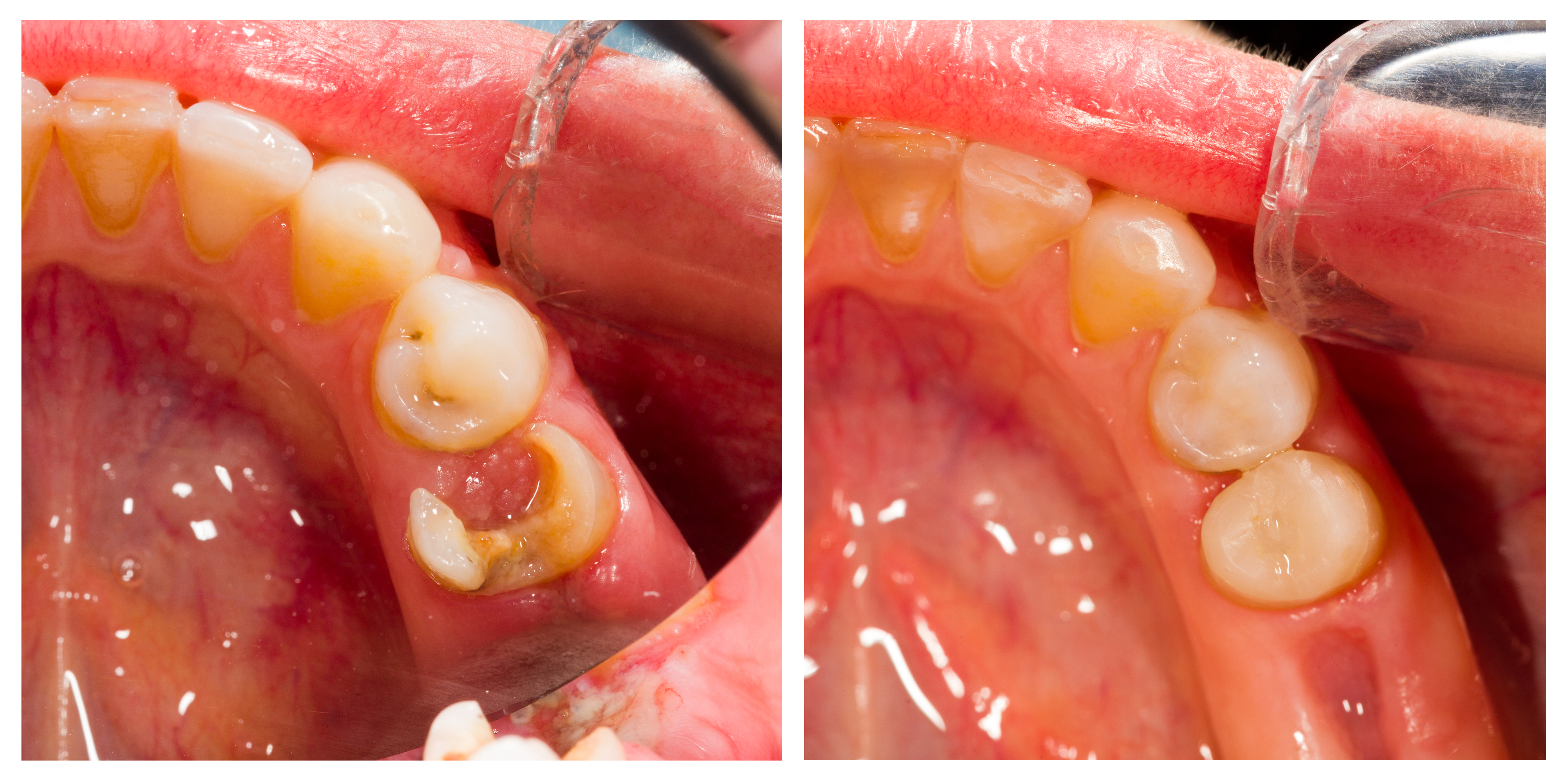
Dental caries is a progressive disease. A small cavity that could be addressed with a simple filling left untreated will inevitably grow — eventually reaching the pulp, causing pain, infection and the need for root canal treatment or extraction.
No restoration, however well executed, is a permanent substitute for a natural tooth. The single most important clinical decision is to intervene early, conservatively, and with materials that will stand the test of time.
Restorative Materials
Which Filling is Right for You?
At DentAkademi London, we use only premium-grade, biocompatible materials — chosen for their clinical performance, longevity and aesthetics.
Composite Resin
Tooth-coloured filling material bonded directly to the prepared cavity. Modern nano-hybrid composites are virtually invisible, highly durable and preserve more natural tooth structure than older alternatives.Glass Ionomer Cement
Releases fluoride into the surrounding tooth structure, actively inhibiting further decay. Particularly well-suited to root surface cavities and patients with a high caries risk.Ceramic Inlay / Onlay
For larger cavities where a direct filling would be structurally insufficient. A precisely milled ceramic restoration is fabricated and bonded into the prepared tooth, restoring full anatomy and strength.Bulk-Fill Composite
A modern composite formulation for posterior restorations. Placed in a single increment, reducing treatment time and the risk of internal voids without compromising strength or marginal integrity.Mercury-free as standard. We do not place amalgam fillings. All restorations use biocompatible, tooth-coloured materials — in line with the holistic principles that guide our approach to care.
Material Quality
Why the Filling Material Matters as Much as the Technique
Premium Materials
What Good Materials Deliver
-
Marginal Integrity
High-grade composites shrink minimally during setting, maintaining a tight seal at the cavity margin and preventing microleakage that allows bacteria to cause secondary decay. -
Wear Resistance
Premium composites wear at a rate comparable to natural enamel — protecting the restored tooth and the opposing dentition from premature attrition. -
Colour Stability
Quality resin composites resist staining and discolouration over time, maintaining a natural appearance for many years. -
Longevity
Well-placed, high-quality restorations routinely last 10–15 years or more. Inferior materials in the same cavity may require replacement within 5–7 years.
The Risk of Cutting Corners
What Substandard Materials Cost You
-
Secondary Caries
Poor-quality composites with high polymerisation shrinkage create microscopic gaps at the filling margin — bacteria colonise these gaps, causing new decay beneath the existing restoration. -
Premature Fracture
Low-grade filler particles reduce fracture toughness, causing restorations to crack under normal biting forces — particularly in posterior teeth. -
Gum Irritation
Rough surface finishes on inferior composites harbour plaque at the gum margin, increasing risk of gingival inflammation over time. -
Greater Long-Term Cost
Each replacement filling removes additional tooth structure. A tooth that has been filled and refilled multiple times progressively weakens, eventually requiring a crown — or being lost.

Our Philosophy
Minimally Invasive. Maximally Effective.
Minimally Invasive Dentistry (MID) means removing only what is necessary — no more — and conserving as much healthy tooth structure as possible. Each intervention should be as small and precise as the situation allows.
This matters because every time tooth structure is removed, something irreplaceable is lost. A smaller preparation today means a stronger tooth tomorrow.
Our restorative work is guided by a caries risk assessment at every visit — identifying the factors that make decay more likely in your specific case, and addressing them proactively.
Caries Risk Assessment
Every patient is assessed for individual decay risk and given a personalised prevention plan.
Conservative Preparation
We remove only the decayed tissue, preserving as much healthy enamel and dentine as the cavity allows.
Protect What You Have
Book a Restorative Consultation
Whether you have a specific concern or simply want a thorough assessment of your dental health, our team is here to help. Early intervention is always the most conservative — and the most cost-effective — approach.
FAQ