Gum Health & Periodontal Care
Periodontology
Your teeth rest in a foundation of gum and bone. No matter how healthy the teeth themselves, that foundation must be sound. Periodontal disease is the leading cause of tooth loss in adults — and the most underestimated threat to long-term oral health.
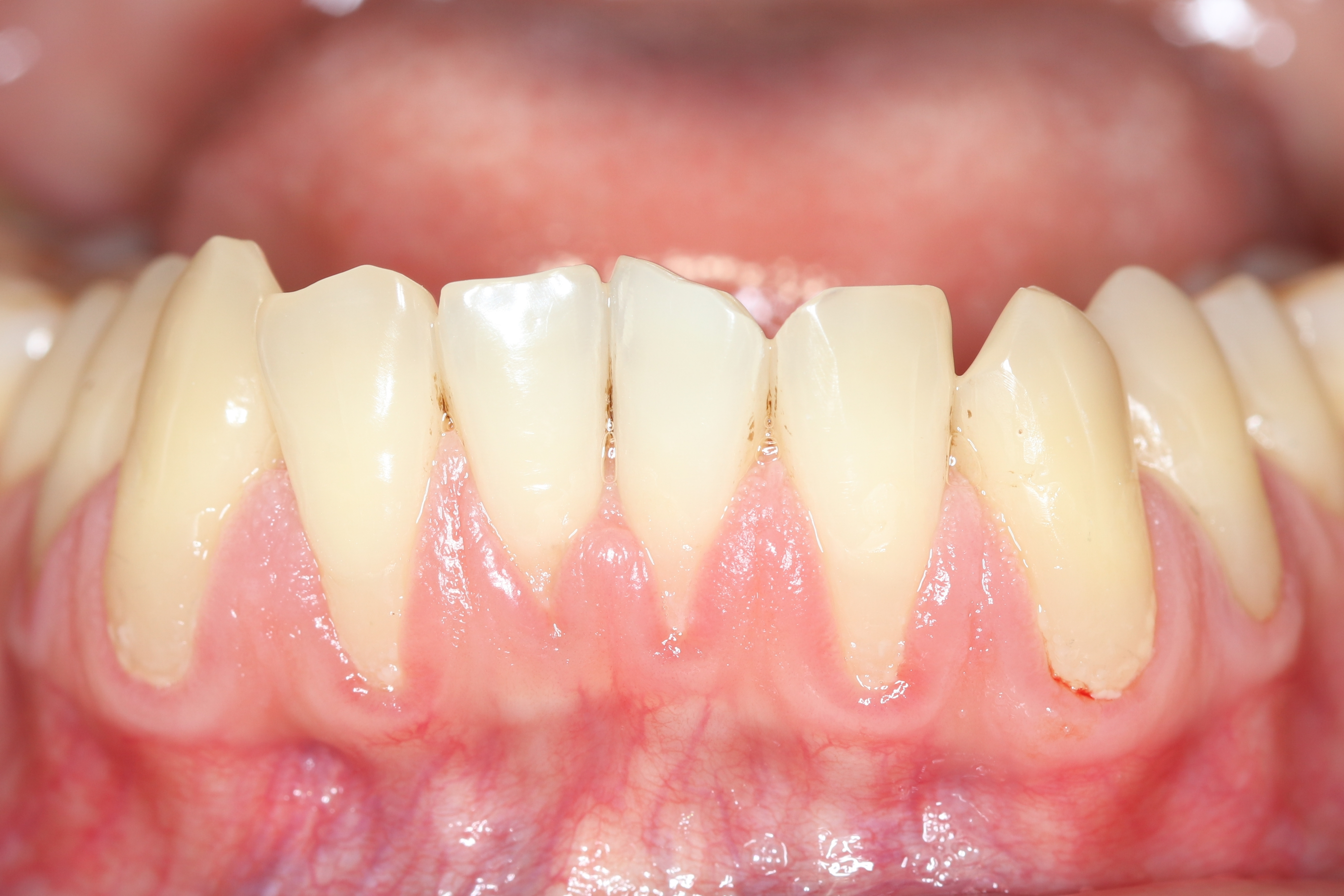
Understanding Gum Disease
The Silent Condition That Affects Half of All Adults
Periodontal disease begins with gingivitis — inflammation caused by bacterial plaque along the gumline. In its early stages it is entirely painless. Gums may bleed during brushing; teeth may feel slightly sensitive. These warnings are frequently dismissed — which is precisely what makes this disease so dangerous.
Left untreated, gingivitis progresses to periodontitis — a chronic inflammatory disease that progressively destroys the bone and connective tissue supporting the teeth. The bone, once lost, does not naturally regenerate. Teeth become loose. Eventually, they are lost.
The systemic consequences are equally significant. Persistent oral inflammation is associated with increased cardiovascular risk, poor diabetes control, and adverse pregnancy outcomes.
Key Signs to Watch For
- Gums that bleed when you brush or floss
- Red, swollen or receding gums
- Persistent bad breath not resolved by brushing
- Teeth that feel loose or have shifted
- Sensitivity at the gumline
EFP Classification
The Four Stages of Periodontal Disease
Mild
Moderate
Severe
Very Severe
The earlier, the better. Stage I and II can be fully controlled without surgery. Stages III and IV can be stabilised but not reversed. Early detection changes everything.

Our Treatments
How We Treat Periodontal Disease
- I.
Periodontal Assessment
Full charting of pocket depths, bone levels and gum condition at every tooth. Digital X-rays and intraoral scanning where appropriate. - II.
Professional Cleaning (Scale & Polish)
Removal of calculus, plaque and bacterial biofilm from above the gumline. The most important preventive step, and essential for all patients at regular intervals. - III.
Scaling & Root Planing (Deep Clean)
A non-surgical procedure under local anaesthesia. Removes bacterial deposits from below the gumline and smooths root surfaces. The evidence-based cornerstone of treatment for Stage I–III periodontitis. - IV.
Periodontal Surgery
For advanced disease where non-surgical treatment has not achieved adequate control. Surgical access allows deeper cleaning and — where indicated — guided bone regeneration.
- V.
Gum Contouring
Surgical reshaping of the gumline to correct uneven or excessive gum display. Often combined with restorative or veneer treatment for a complete aesthetic result. - VI.
Gum Grafting
Where recession has exposed root surfaces, grafting augments lost tissue — reducing sensitivity, improving aesthetics and protecting the root from further recession. - VII.
Periodontal Maintenance Programme
Periodontal disease is managed, not cured. Regular maintenance every three to four months is essential to prevent recurrence. - VIII.
Pre-Implant Periodontal Treatment
Active gum disease must be fully controlled before implants are placed. We provide comprehensive periodontal preparation for all implant patients.
Beyond the Mouth
Gum Health and Your General Health
Cardiovascular Disease
Chronic periodontal inflammation is clinically linked to increased risk of heart disease and stroke. Oral bacteria can enter the bloodstream and contribute to arterial inflammation.
Diabetes
The relationship is bidirectional — diabetes increases susceptibility to gum disease, and active periodontitis makes blood sugar control harder. Treating gum disease can measurably improve HbA1c.
Pregnancy
Active periodontal disease during pregnancy is associated with preterm birth and low birth weight. Periodontal screening is an important part of prenatal oral health.
Implant Health
Patients with a history of periodontitis are at higher risk of peri-implantitis. Controlled gum health is essential before and after implant placement.
Don’t Wait
Book a Periodontal Assessment
If your gums bleed, feel tender or have changed in appearance, please do not wait. Early assessment and treatment make an enormous difference to long-term outcomes.
FAQ
Common Questions
What are the signs of gum disease?
Key signs include gums that bleed when you brush or floss, red or swollen gums, persistent bad breath not resolved by brushing, teeth that feel loose or have shifted, and sensitivity at the gumline. Gum disease is often painless in its early stages, which is why regular assessment is essential.
What is the difference between gingivitis and periodontitis?
Gingivitis is early-stage gum inflammation caused by bacterial plaque. It is reversible with professional treatment. Periodontitis is advanced gum disease that progressively destroys the bone and connective tissue supporting the teeth. The bone loss caused by periodontitis cannot naturally regenerate, which is why early treatment is critical.
What is scaling and root planing?
Scaling and root planing is a non-surgical deep cleaning procedure performed under local anaesthesia. It removes bacterial deposits from below the gumline and smooths root surfaces to prevent bacteria reattaching. It is the evidence-based cornerstone of treatment for Stage I–III periodontitis.
Can gum disease affect my general health?
Yes. Chronic periodontal inflammation is linked to increased risk of cardiovascular disease and stroke, poorer diabetes control, and adverse pregnancy outcomes including preterm birth. Treating gum disease can measurably improve systemic health markers such as HbA1c in diabetic patients.
Can gum disease be cured?
Periodontal disease is managed rather than cured. With professional treatment and a structured maintenance programme every 3–4 months, the disease can be fully controlled and further progression prevented. Stages I and II can be controlled without surgery. Stages III and IV can be stabilised but not reversed, which is why early detection is so important.

Written by Mr Baha Bagdadi
Oral Surgeon and Implantologist. Specialty Doctor in Oral Surgery at Barts Health NHS Trust (GDC 227851). Specialist in complex implants, bone grafting, orthognathic surgery and full-arch rehabilitation. Mr Bagdadi places all implant cases at DentAkademi London.
View full profile →