Implant Recovery
Dental Implant Aftercare
Dental implant aftercare is an important part of healing after surgery. The way you care for your mouth in the first few days can help support recovery, reduce irritation around the surgical area and lower the risk of complications.
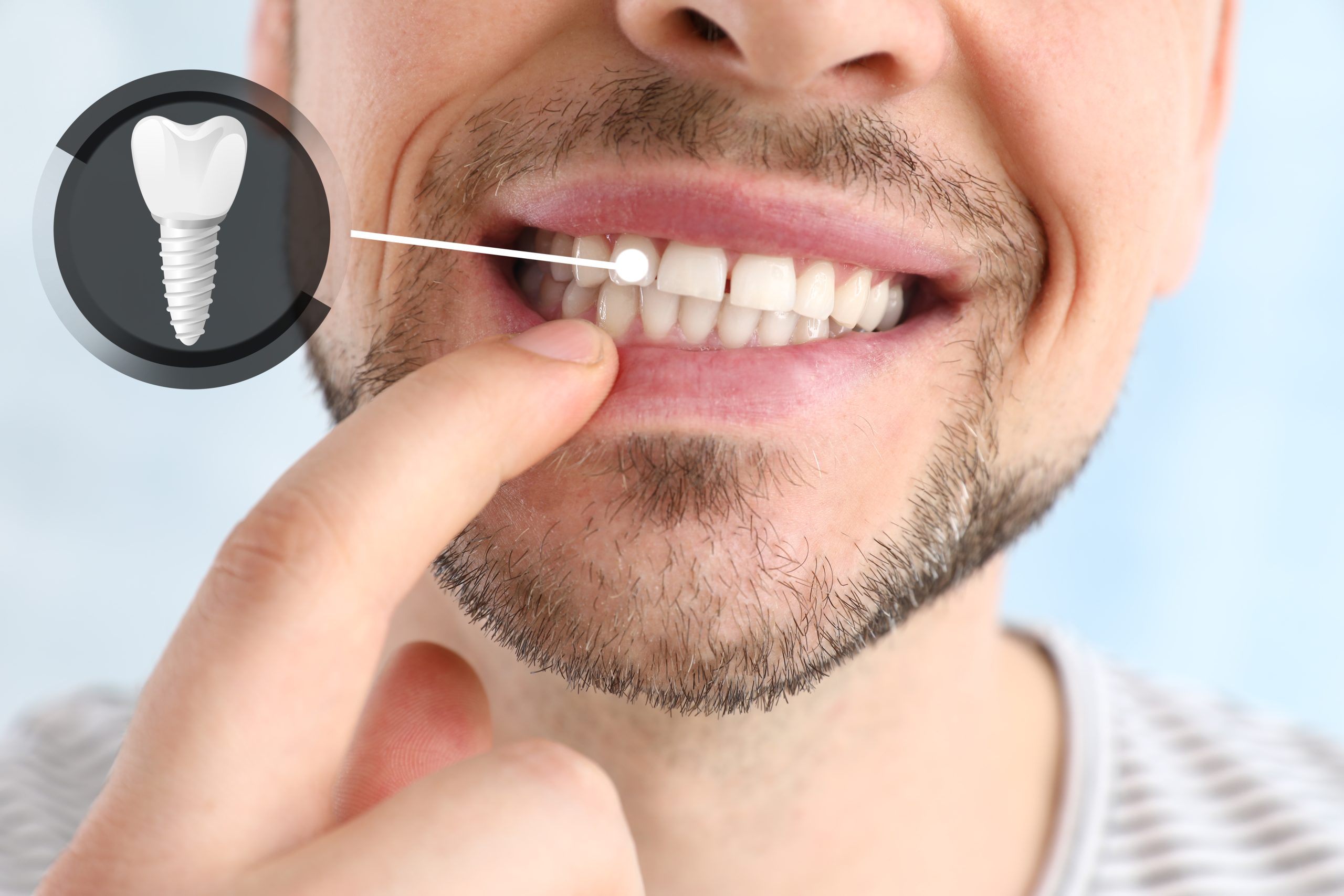
After Surgery
How to Care for Implants After Surgery
Some soreness, swelling, bruising or minor bleeding can happen after dental implant surgery. This does not mean something has gone wrong. However, symptoms should gradually improve, and patients should know when to contact their dental team.
This guide explains what to expect after dental implant surgery, how to care for the implant area, what to avoid during healing and how to maintain implants in the long term.
Healing Support
Why Dental Implant Aftercare Matters
Dental implant surgery does not end when the implant is placed. The healing period is an important stage of treatment.
After surgery, the gum tissue and bone around the implant need time to heal. The implant also needs time to integrate with the surrounding jawbone before it can support the final restoration in many cases.
Protect the Area
Reduce Irritation
Support Healing
Lower Infection Risk
Manage Symptoms
Spot Warning Signs
Early Recovery
What to Expect After Dental Implant Surgery
After dental implant surgery, patients may experience temporary symptoms as the anaesthetic wears off and the healing process begins. The amount of discomfort varies from patient to patient.
Soreness
Minor Bleeding
Swelling
Bruising
Tenderness
Tiredness
First Day
The First 24 Hours After Implant Surgery
The first 24 hours are important because the surgical area is still settling. Patients should follow the instructions given by their dental team.
Rest
Avoid Touching
Gentle Mouth Care
Avoid Smoking
Pain Relief
Bleeding Advice
Food and Drink
What to Eat After Dental Implant Surgery
Eating carefully after surgery helps protect the implant area while the gum begins to heal. Soft foods are usually more comfortable during the early recovery period.
Soft Foods
Cooled Foods
Smoothies
Avoid Heat
Avoid Irritants
Avoid Pressure
Cleaning
How to Clean Your Mouth After Implant Surgery
Keeping the mouth clean is important, but the surgical area should not be disturbed during early healing. Patients should follow the exact instructions given by their dentist or oral surgeon.
Brush Gently
Avoid the Site
No Poking
Mouth Rinse
No Aggressive Rinsing
Clean but Careful
Avoid During Healing
What to Avoid After Dental Implant Surgery
Certain habits can irritate the surgical area or slow healing. Smoking is particularly important to discuss because it can affect healing and may increase the risk of implant-related complications.
Smoking and Alcohol
Hot Food and Drinks
Straws and Spitting
Touching the Area
Hard Chewing
Missed Reviews
Symptoms
Pain, Swelling and Bruising: What Is Normal?
Some discomfort, swelling and bruising can occur after dental implant surgery. These symptoms are often most noticeable in the first few days and should gradually improve.
Pain relief may be recommended by the dental team. Patients should only take medication that is suitable for them, especially if they have medical conditions or take regular medication.
Swelling can sometimes be managed with cold compresses if advised. Patients should follow the clinic's specific instructions on timing and use.
When to Call
When Should You Contact Your Dentist?
Patients should contact their dental team if they are unsure about healing or if symptoms feel unusual. Early advice is better than waiting if something does not feel right.
Bleeding
Severe Pain
Worsening Symptoms
Infection Signs
Numbness
Loose Temporary
Bone Grafting
Aftercare If You Had Bone Grafting
Aftercare may be more detailed if bone grafting was carried out before or during implant surgery. Bone grafting can make treatment more involved and may increase swelling, bruising or tenderness during early recovery.
Graft Pressure
Dentures
Smoking
Strong Rinsing
Hard Foods
Review Appointments
Bone Loss
Aftercare If You Have Bone Loss
Patients with bone loss may need more careful planning and follow-up after implant surgery. Bone loss can affect implant position, healing time and the type of restoration used.
Gum Healing
Implant Stability
Graft Healing
Oral Hygiene
Bite Forces
Inflammation Signs
Long-Term Care
Long-Term Care for Dental Implants
Dental implants need long-term maintenance. Even after healing is complete, implants should not be treated as something that can be ignored.
Dental implants cannot decay like natural teeth, but the gum and bone around them can still become inflamed or infected. Plaque can build up around implant crowns, bridges and full-arch restorations.
Brush Twice Daily
Clean Between
Hygiene Visits
Manage Gum Disease
Avoid Smoking
Report Problems
Implant Cleaning
How to Clean Around Dental Implants
Cleaning around dental implants depends on the type of restoration. A single implant crown may be cleaned similarly to a natural tooth, but the area around the gumline still needs careful attention.
Soft Toothbrush
Interdental Brushes
Implant Floss
Water Flosser
Bridge Brushes
Professional Hygiene
UK Patients
What UK Patients Should Know Before Travelling for Implant Treatment
UK-based patients considering dental implant treatment abroad should ask about aftercare before travelling. Implant treatment may involve more than one stage, and healing needs to be monitored.
Aftercare Instructions
Contact Plan
Travel Timing
Grafting and Stages
Final Restoration
Implant Details
Longevity
How Aftercare Affects Implant Longevity
Aftercare is not only about the first few days after surgery. Long-term care can influence how well the implant, gum tissue and restoration are maintained. Implants may last for many years, but no implant should be considered maintenance-free.
Oral Hygiene
Gum Disease History
Smoking
Medical Conditions
Bite Forces
Professional Maintenance
FAQ
Frequently Asked Questions
How long does it take to recover after dental implant surgery?
Recovery varies depending on the number of implants, whether bone grafting was performed and the patient's general health. Some soreness and swelling may occur in the first few days and should gradually improve.
What should I avoid after dental implant surgery?
Patients are usually advised to avoid smoking, alcohol, hot food and drinks, drinking through a straw, heavy exercise and touching the surgical area during early healing.
Can I brush my teeth after dental implant surgery?
Yes, but you may need to avoid brushing directly over the surgical area at first. Brush the rest of your mouth gently and follow the instructions given by your dental team.
What can I eat after dental implant surgery?
Soft foods are usually recommended during the early healing period. Avoid hard, crunchy, hot or spicy foods until the area is more comfortable and your dental team advises otherwise.
Is swelling normal after dental implant surgery?
Some swelling can be normal after implant surgery. It should gradually improve. Increasing swelling, especially with pain, fever or discharge, should be checked.
When should I call the dentist after implant surgery?
You should contact your dental team if you have severe pain, heavy bleeding, swelling that worsens, pus, fever, numbness that does not wear off or a loose temporary restoration.
Does bone grafting change aftercare?
Yes, aftercare may be more careful if bone grafting was performed. Patients may need to avoid pressure on the grafted area and follow more specific instructions.
How do I clean dental implants long term?
Cleaning depends on the type of restoration. Brushing, interdental cleaning and professional hygiene appointments are usually important. Your dental team should show you how to clean your specific implant restoration.
Can I smoke after dental implant surgery?
Smoking can affect healing and may increase the risk of implant complications. Patients should discuss smoking with their dental team before and after surgery.
Do dental implants need regular check-ups?
Yes. Dental implants should be checked regularly. Your dental team will recommend a maintenance schedule based on your oral health, risk factors and type of restoration.
Medical Disclaimer
This article is for general information only and does not replace a dental consultation. Dental implant aftercare may vary depending on the procedure, medical history, medication use and healing response. Always follow the instructions given by your dental team.