Nervous Patient Care
Dental Implants for Nervous Patients in London
Feeling nervous about dental implant treatment is common. Some patients worry about pain, needles, surgery, the sounds of dental instruments or not feeling in control during the appointment.
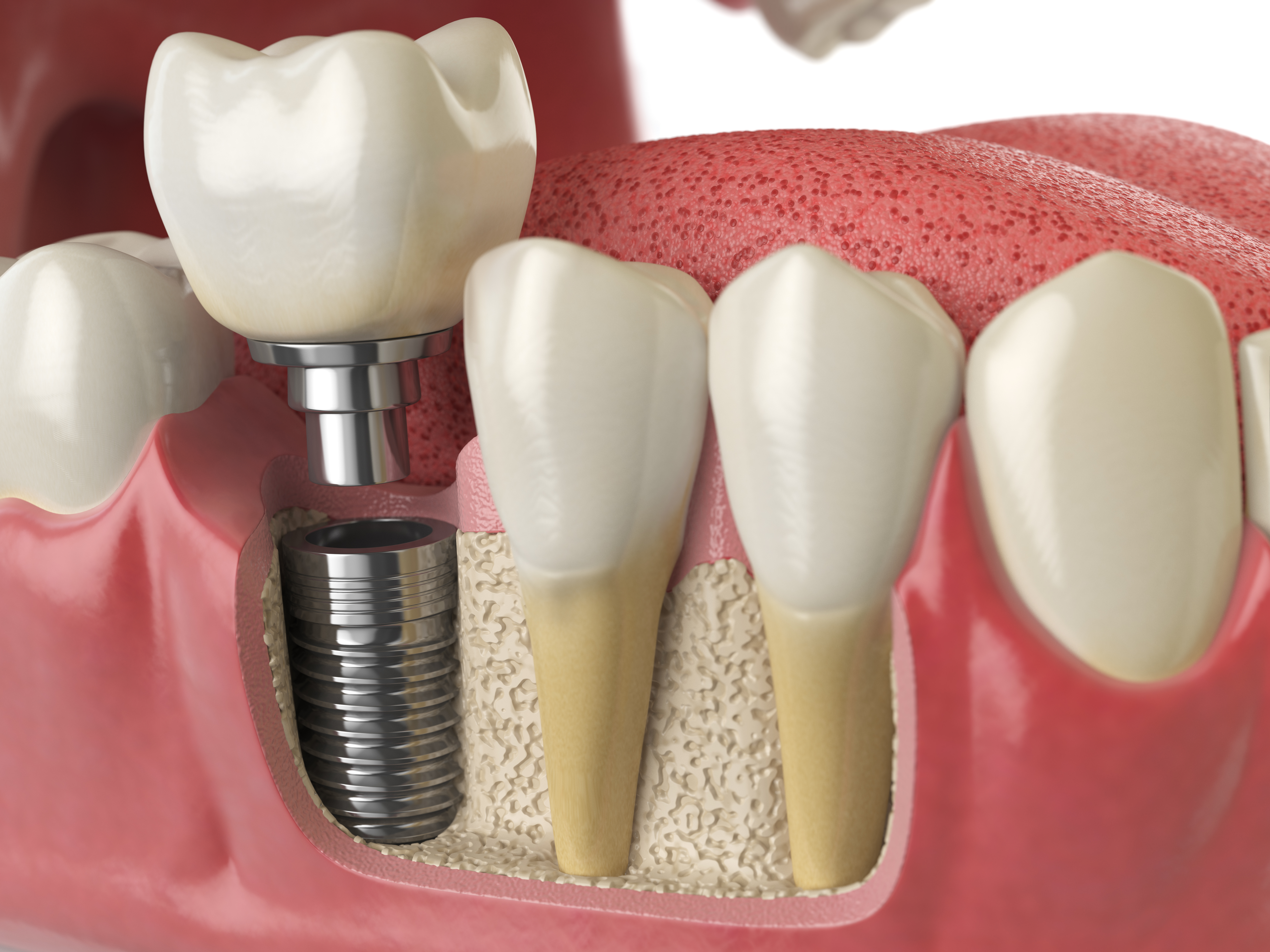
Anxiety and Implant Treatment
Care Planned Around Comfort and Safety
Being nervous does not automatically mean dental implants are not possible. What matters is that the anxiety is discussed honestly before treatment, so the dental team can plan care in a way that is safe, realistic and manageable.
This guide explains what nervous patients in London should know before dental implant treatment, including local anaesthesia, sedation options, treatment planning, aftercare and questions to ask during consultation.
Dental Anxiety
Why Patients Feel Nervous About Dental Implants
Dental implant treatment can feel intimidating because it involves surgery. Even when patients understand the benefits of replacing missing teeth, the idea of an implant being placed into the jawbone can create anxiety.
Fear of Pain
Needles and Injections
Surgery Worries
Sounds and Instruments
Loss of Control
Past Experiences
Suitability
Can Nervous Patients Have Dental Implants?
Many nervous patients can still be assessed for dental implant treatment. Anxiety itself does not automatically prevent implant surgery, but it may affect how appointments are planned.
Anxiety Level
Appointment Planning
Explanation
Local Anaesthesia
Sedation Suitability
Treatment Complexity
Consultation
What Happens at an Implant Consultation for Nervous Patients?
The consultation is the right time to discuss anxiety, not something to mention only on the day of surgery. If you feel nervous, tell the clinic early.
Dental Assessment
Medical Review
Imaging
Bone Volume
Comfort Options
Personal Triggers
Pain Control
Will Dental Implant Surgery Hurt?
Dental implant surgery is usually carried out with local anaesthesia. This means the treatment area is numbed before the procedure begins.
Patients should not feel sharp pain during surgery, although they may feel pressure, movement or vibration. After surgery, some discomfort, swelling or bruising can occur.
Local Anaesthesia
Local Anaesthesia for Dental Implant Treatment
Local anaesthesia is commonly used for dental implant procedures. It numbs the surgical area while the patient remains awake. For some nervous patients, local anaesthesia alone may be enough.
Straightforward Procedure
Clear Steps
Appointment Length
Trust in the Team
Sounds and Instruments
Anxiety Support
Sedation Dentistry
Sedation Dentistry for Nervous Implant Patients
Sedation may help some patients feel calmer during dental implant treatment. It does not usually replace local anaesthesia. Instead, it is often used alongside local anaesthetic so that the area is numb and the patient feels more relaxed.
High Anxiety
Avoided Treatment
Long Appointments
Gag Reflex
Complex Treatment
Sounds and Injections
Sedation Safety
Conscious Sedation Is Not the Same as General Anaesthesia
Patients sometimes use the phrase being put to sleep when they mean sedation. It is important to understand the difference.
Conscious sedation helps patients feel more relaxed, but it is not the same as general anaesthesia. With some forms of conscious sedation, patients remain awake enough to respond to verbal instructions, although they may feel drowsy or remember less of the procedure.
General anaesthesia means the patient is unconscious and requires a higher level of medical support. It is not needed for most dental implant procedures, but may be considered in selected cases after assessment.
Sedation Suitability
Is Sedation Suitable for Everyone?
No. Sedation is not suitable for every patient. Suitability depends on medical history, medication use, general health, the type of sedation being considered and the complexity of treatment.
Heart and Lung Health
Sleep Apnoea
Medication Use
Pregnancy Status
Alcohol or Drug Use
Escort Requirement
After Sedation
What to Expect After Dental Implant Treatment with Sedation
If sedation is used, patients may need to stay at the clinic or hospital longer after treatment while they recover. They may also need someone to take them home and stay with them for a period afterwards, depending on the sedation used and the clinic's instructions.
After sedation or general anaesthesia, judgement, coordination and reflexes may be affected even if the patient feels fine. Patients should follow all safety instructions given by the dental team.
Bone Grafting
Dental Implants, Bone Grafting and Anxiety
Nervous patients may feel more anxious if they are told that bone grafting is needed. Bone grafting can make treatment more involved, but it does not mean treatment is unmanageable.
Why Grafting?
Same Stage or Staged?
Healing Time
Sedation Availability
Expected Discomfort
Aftercare
Clinic Support
How a London Implant Clinic Can Support Nervous Patients
When choosing a dental implant clinic in London, nervous patients should look beyond the treatment itself. The way the clinic communicates can make a significant difference.
Calm Consultation
Clear Stages
Questions
Written Plan
Pain Management
No Pressure
Before the Appointment
Practical Ways to Manage Anxiety Before the Appointment
Different patients find different approaches helpful. These steps may support a calmer treatment experience.
Tell the Clinic
Ask for Explanation
Stop Signal
Reduce Triggers
Plan Logistics
Recovery Time
FAQ
Frequently Asked Questions
Can nervous patients have dental implants?
Yes, many nervous patients can still be assessed for dental implants. Anxiety should be discussed before treatment so the dental team can consider local anaesthesia, sedation, appointment planning and aftercare needs.
Are dental implants painful for nervous patients?
Dental implant surgery is usually carried out with local anaesthesia, so sharp pain should not be felt during the procedure. Patients may still feel pressure or movement, and some discomfort can occur afterwards.
Can I have dental implants under sedation in London?
Sedation may be considered for suitable patients who feel anxious or need more complex treatment. Suitability depends on medical history and clinical assessment.
Will I be asleep during dental implant treatment?
Not usually. Many implant procedures are carried out with local anaesthesia. Conscious sedation can make patients feel relaxed or drowsy, but it is not the same as general anaesthesia.
Is general anaesthesia needed for dental implants?
General anaesthesia is not needed for most dental implant procedures. It may be considered only in selected cases after careful assessment.
What if I panic during the appointment?
Tell the dental team before treatment if you are worried about panic. A stop signal, clear explanation, shorter appointments or sedation assessment may help in suitable cases.
Can treatment be split into shorter appointments?
In some cases, treatment may be staged or planned in shorter appointments. This depends on the complexity of the implant treatment and the patient's clinical needs.
Does sedation remove all pain?
Sedation helps with anxiety and relaxation. Local anaesthesia is still used to numb the treatment area and control pain during the procedure.
What should I do after sedation?
Follow the clinic's instructions carefully. You may need someone to take you home, avoid driving, avoid alcohol and rest while the sedative effects wear off.
How do I choose a clinic if I am nervous?
Look for clear communication, proper assessment, sedation options where appropriate, written aftercare instructions and a clinic that does not pressure you into treatment.
Medical Disclaimer
This article is for general information only and does not replace a dental consultation. Suitability for dental implants, sedation or general anaesthesia can only be confirmed after clinical assessment and review of medical history.